

When the Lights Go Out: Infrastructure Failure and Dialysis Patients

I began writing this blog on March 18, 2026 and sincerely hoped that by the time I finished, the issue would have been resolved. But I don’t think that will be the case.
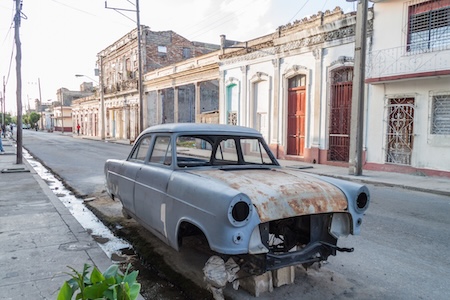
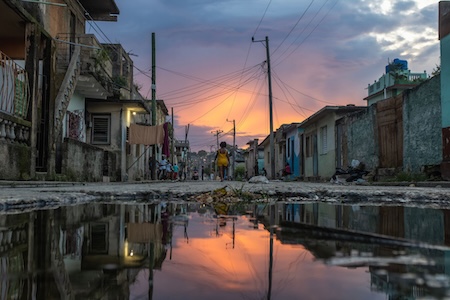
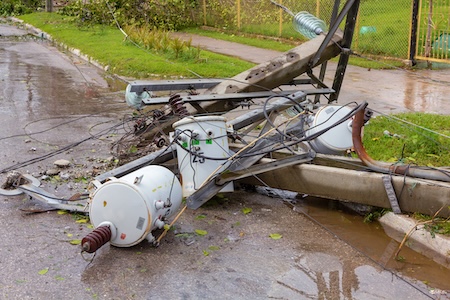
In February, I read that Cuba’s medical infrastructure was in danger of imminent collapse. Most of the island was already without reliable power and had been suffering through rolling blackouts since last year. Cubans were enduring more than 16 hours of blackout daily when they were plunged into a 29-hour outage. This past weekend, it happened again.
Almost immediately, reports emerged of low fuel reserves to run hospital generators. A month earlier, there were warnings of medical supply shortages. There has been no meaningful reporting (that I can find, at least) indicating that those shortages have improved or resolved. If anything, while there have been some medical aid deliveries, the overall supply crisis has likely worsened.
Whenever something like this happens in the world, my first thought is always the same:
What is happening to the dialysis patients?
Infrastructure-Dependent Medicine
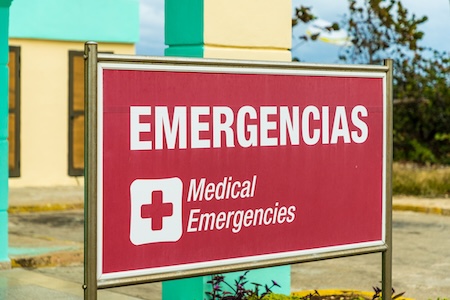
There are about 3,000 people on dialysis in Cuba. Most are treated with hemodialysis at one of 57 dialysis units. The only type of dialysis that does not require electricity is CAPD, which has only been available in Cuba since 2007. Utilization was low in the most recent report I found.
For those not already aware, hemodialysis is not just a machine that gets plugged into a wall, turned on, and is ready to go. When we see patients at the chairside, it is the final step in a long chain of infrastructure coming together.
Hemodialysis requires:
Continuous, reliable, electricity
Treated and tested water
RO or DI water purification capabilities
Stable water pressure
Well maintained equipment and machines
Supplies, sterilization, and waste systems
If any part of the chain breaks, dialysis stops. There are multiple breaks in Cuba’s dialysis chain right now.
Electricity is one basic necessity, and very clean water is another. Tap water alone is not clean enough to make dialysate. Untreated water is dangerous, and clinic-level contamination from water is an ever-present fear at every clinic around the world.
 Recent reports show
Cuba’s water
treatment systems have already been disrupted by the power
outages. Water delivery to homes, clinics, and hospitals has
already been compromised.
Recent reports show
Cuba’s water
treatment systems have already been disrupted by the power
outages. Water delivery to homes, clinics, and hospitals has
already been compromised.
If there isn’t enough clean water to drink, there certainly isn’t enough water to run dialysis machines. When the power grid fails, water can’t be pumped. If water can’t be pumped, there isn’t enough pressure to serve clinics and hospitals. There isn’t an easy work-around for that at scale, because each standard dialysis treatment uses hundreds of liters of water.
Dialysis is an infrastructure-dependent treatment. When the infrastructure supporting dialysis fails, the patients are at risk of going down with it.
Dialysis Nurse Math
 The reports of Cuba’s grid
failure came on a Monday. As a dialysis nurse, I immediately started
doing the survival math. We already know that:
The reports of Cuba’s grid
failure came on a Monday. As a dialysis nurse, I immediately started
doing the survival math. We already know that:
Dialysis in Cuba has been heavily disrupted for months
Treatments were likely reduced or shortened
Some patients were likely under-dialyzed going into the grid failure
For the sake of optimism, let’s assume a best-case scenario whereby every patient in Cuba received a full treatment on Friday or Saturday. Even then, we already know that the long (3-day) gap applies and is associated with increased risk of sudden cardiac death on Mondays and Tuesdays. We have blogs about that here, here, and here.
Now, apply reality:
Cuban patients were at risk of missing their Monday or Tuesday treatments
Hospitals had intermittent power going into the blackouts
Transportation is extremely limited due to fuel shortages

Patients can’t be expected to simply walk to treatment. They are medically fragile and weakened from under-dialyzing and situational stress. Access to transportation is blocked due to fuel shortages.
A typical patient might be older, diabetic, hypertensive, already volume overloaded, and relying on a hard three treatments a week to stay alive. Remove one or two of those treatments, add canned foods as the only dietary option, and the patient’s chances of decline rise. With each missed treatment, the risk of death increases from:
Electrolyte derangement causing arrhythmia
Fluid accumulation causing congestive heart failure and/or pulmonary edema
Worsening uremia leading to coma and death
This is predictable physiology; so simple it’s almost elementary: the same simple physiology we teach every new dialysis nurse and technician. Patients only get kidney replacement therapy while they are actively dialyzing. When they’re not dialyzing, the patient is a closed system. Metabolic wastes rise from food and the processes of living. Fluids accumulate and displace. Everything patients eat or drink risks tipping the scales, and like everyone else, patients must continue to eat and drink.
I hate saying this, but the truth is…some of the patients are not going to survive this crisis.
Everything Fails Together
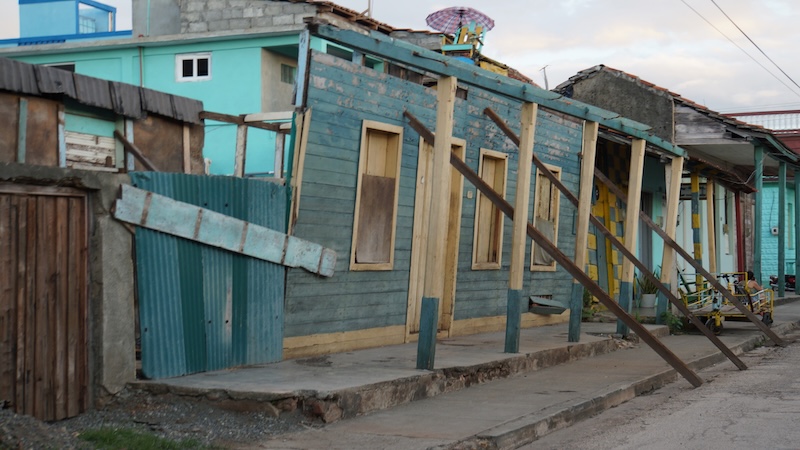
What’s happening in Cuba is not a single failure, nor does it have a single cause. It is a cascade of failures across the infrastructure that used to have the ability to sustain a society, but can’t anymore. Life in Cuba right now consists of:
Power outages
Fuel shortages
Water treatment and distribution failure
Transportation break-down
Food and supply scarcity
More than 96,000 people are waiting for surgery. Of those, 11,000 are children. Care for these people is being rationed. This is a system operating in crisis mode under a strain that costs human lives.
Risks of Adaptation
Some areas are housing dialysis patients together near hospitals because of how unreliable transportation has become. This is a logical solution as it removes one major barrier—getting patients to treatment. But, it creates other problems:
Crowded conditions
Limited sanitation
Increased infection risk
Separation from family
Added strain on healthcare system
Dialysis patients are already immunocompromised. Crisis adaptation compensating for a failing infrastructure is not an ideal way to deliver care, as it’s not sustainable long term. Infectious diseases that run rampant in overcrowding situations, unfortunately do not show mercy for those who are in the middle of humanitarian crises.
Time Matters
It is now March 31, 2026. Two weeks have passed since I first began following this story. A Russian oil tanker carrying 100,000 metric tons of crude oil is expected to arrive in Cuba later this week.
We probably all want to feel a little bit of relief at that news, but I don’t. It’s not a solution for the people in crisis today; it’s a temporary patch that is coming far too late.
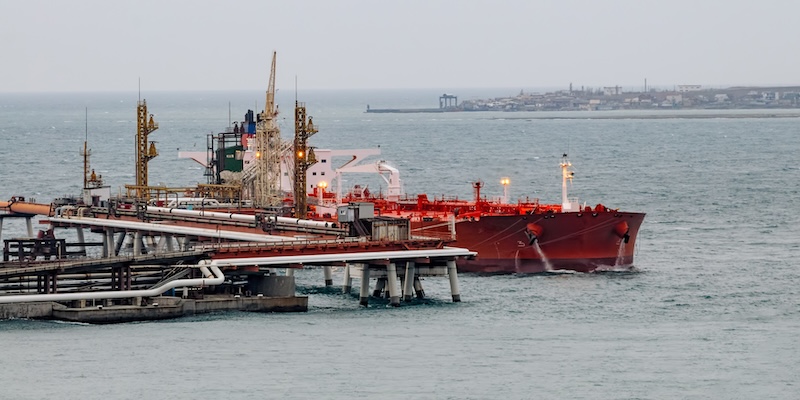
Crude oil does not immediately restore supply distribution chains because it needs to be refined before it becomes diesel fuel for trucks and hospital generators. Dialysis patients went into this 2-week long crisis suffering and have not yet seen relief. They do not have the time to wait.
We Were Warned
On March 10, the United Nations warned that Cuba’s healthcare system was approaching a critical point. They cited:
Inability to operate critical care equipment
Major disruptions in dialysis
Interrupted care in oncology, emergency medicine, and maternal health
Though officials have acknowledged worsening outcomes, mortality figures have not been reported yet, as this is an actively evolving crisis.
The Uncounted Dead
People are dying, but are they being counted in a way that connects their deaths to this particular crisis? Does death reporting take reality into account? The causes of death will be recorded as natural. I suppose in a way, these are “natural” deaths. But, the deaths are lives that were being saved before this happened. Is it still a “natural” death when access to a life-sustaining treatment suddenly disappears?
We Have Seen This Before
This pattern is not new. We’ve seen things like this happen to dialysis patients in Venezuela, Ukraine, and Gaza. Unfortunately, we will see these systematic failures again after Cuba. When infrastructure fails, the most vulnerable begin to suffer first. The pattern is fairly consistent.
The Human Cost
The human cost of infrastructure failure is not evenly distributed. Those who have the ability to evacuate before a crisis reaches full swing, do. Those who must stay become progressively more at risk as resources dwindle. Vulnerable people tend to:
Suffer first
Die first, and quietly
Remain uncounted
Remain unknown
Their names do not make headlines as these are ordinary people dying in ordinary ways—like cardiac arrest, pulmonary edema, infection. Things that seem natural on death records. But, reality is a place where politics and medicine collide, isn’t it? There really is nothing “natural” about losing access to life support against your will. When infrastructure collapses, death may not be recorded as a consequence. These human lives are more than a statistic.
We know what happens when patients don’t have access to dialysis. We have seen this pattern before. We will see it again. We need to understand how to recognize the cascade when it starts and do better as a global community to intervene before lives are unnecessarily lost. As it stands right now, the most vulnerable people in society absorb the consequences of sociopolitical unrest first, and that is a travesty. To do better, we need to choose to.
Comments